📚 This Is What Languages First Looks Like • Year 1: Master Hebrew, Greek, and Aramaic using these proven textbooks • From elementary grammar to advanced exegesis • Learn to READ the Bible before you learn ABOUT the Bible • These are the same textbooks used at Wheaton, Dallas Seminary, and Gordon-Conwell
"If you don't understand the original language, and you don't understand what was happening in the world at the time those words were written, how can you have any idea of the context of the original author... or of God, for that matter?!"
Most Bible colleges tell you they teach languages. We're different. We don't just teach languages — we BEGIN with languages.
From day one of Year 1, you'll be learning Biblical Hebrew, Koine Greek, and Aramaic using the same textbooks that seminary students use. No theology yet. No systematic doctrine yet. Just the languages.
Why? Because you can't truly understand God's Word if you're always reading someone else's translation. You need to read it yourself.
These are the actual textbooks that MTI students will use in their first year. These aren't introductory "Bible study tools" — these are rigorous academic grammars used by seminaries worldwide. By the end of Year 1, you'll be reading Genesis in Hebrew, John in Greek, and Daniel in Aramaic.
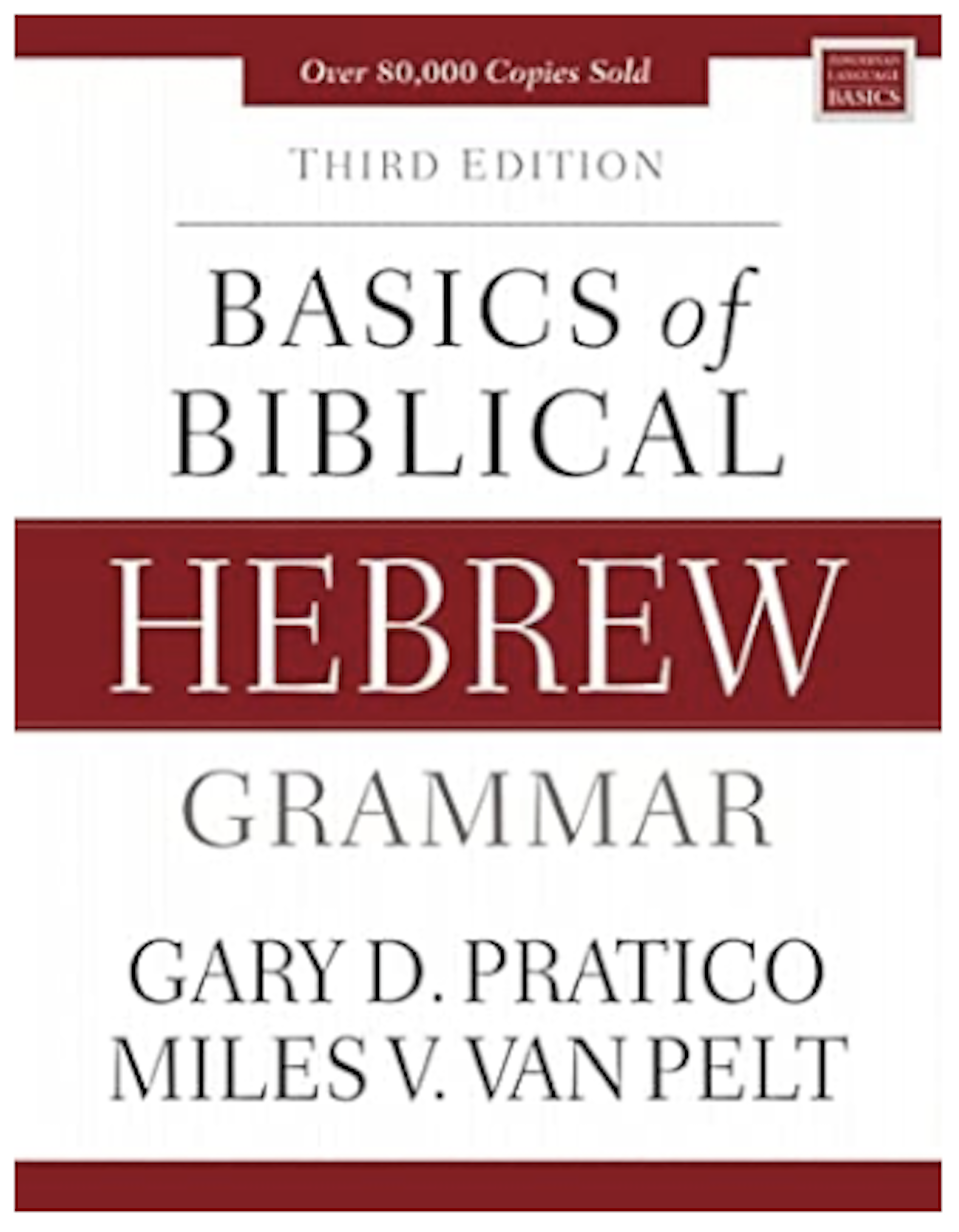
The most widely-used Hebrew grammar in seminaries worldwide. You'll master the Hebrew alphabet, vocabulary, parsing, and syntax. By spring semester, you'll be reading Genesis, Psalms, and the Prophets in the original language.
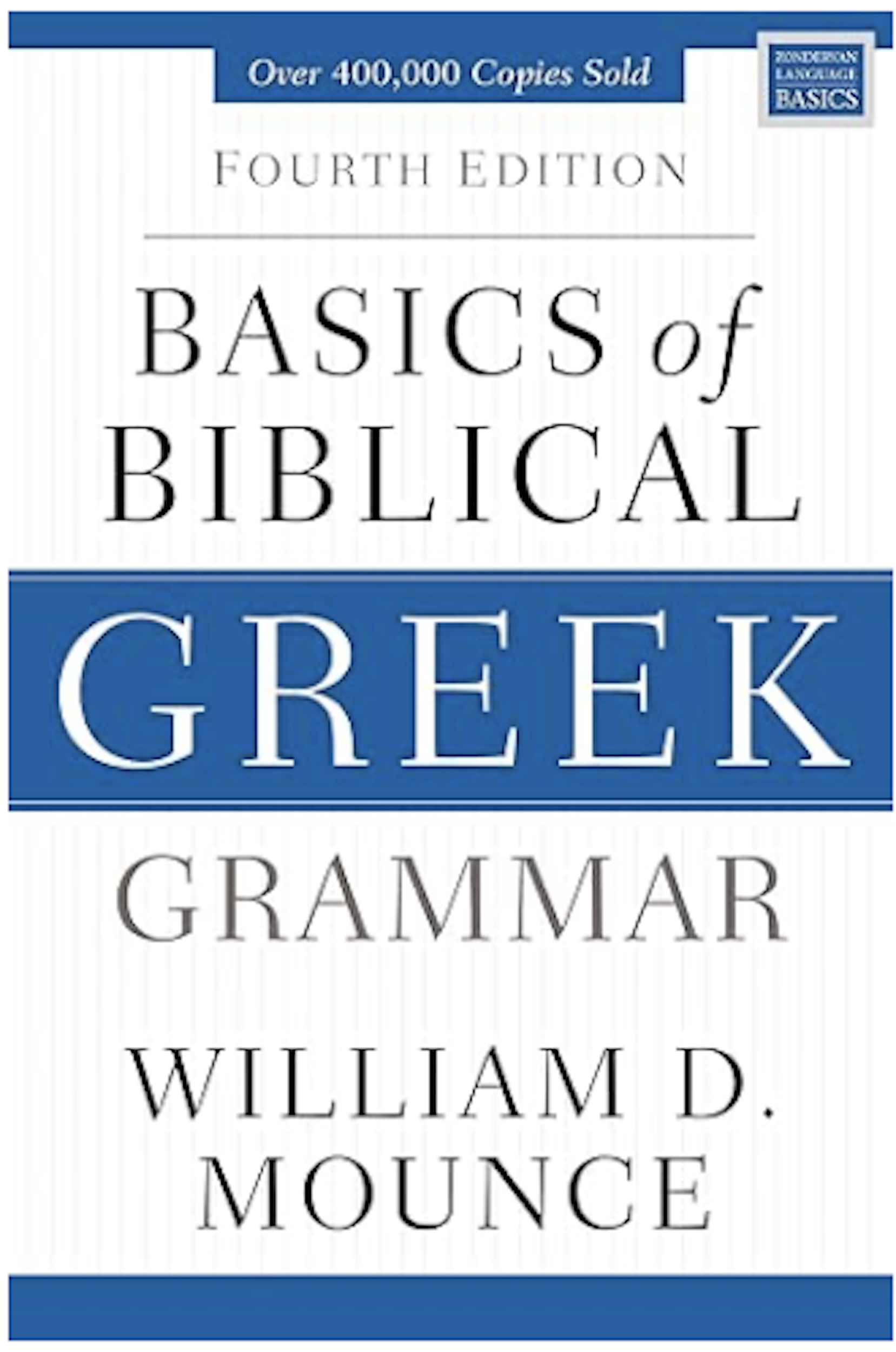
The gold standard for learning Koine Greek. Master the alphabet, vocabulary, grammar, and syntax of the New Testament. By spring semester, you'll be reading the Gospels and Paul's letters in Greek — not in translation.
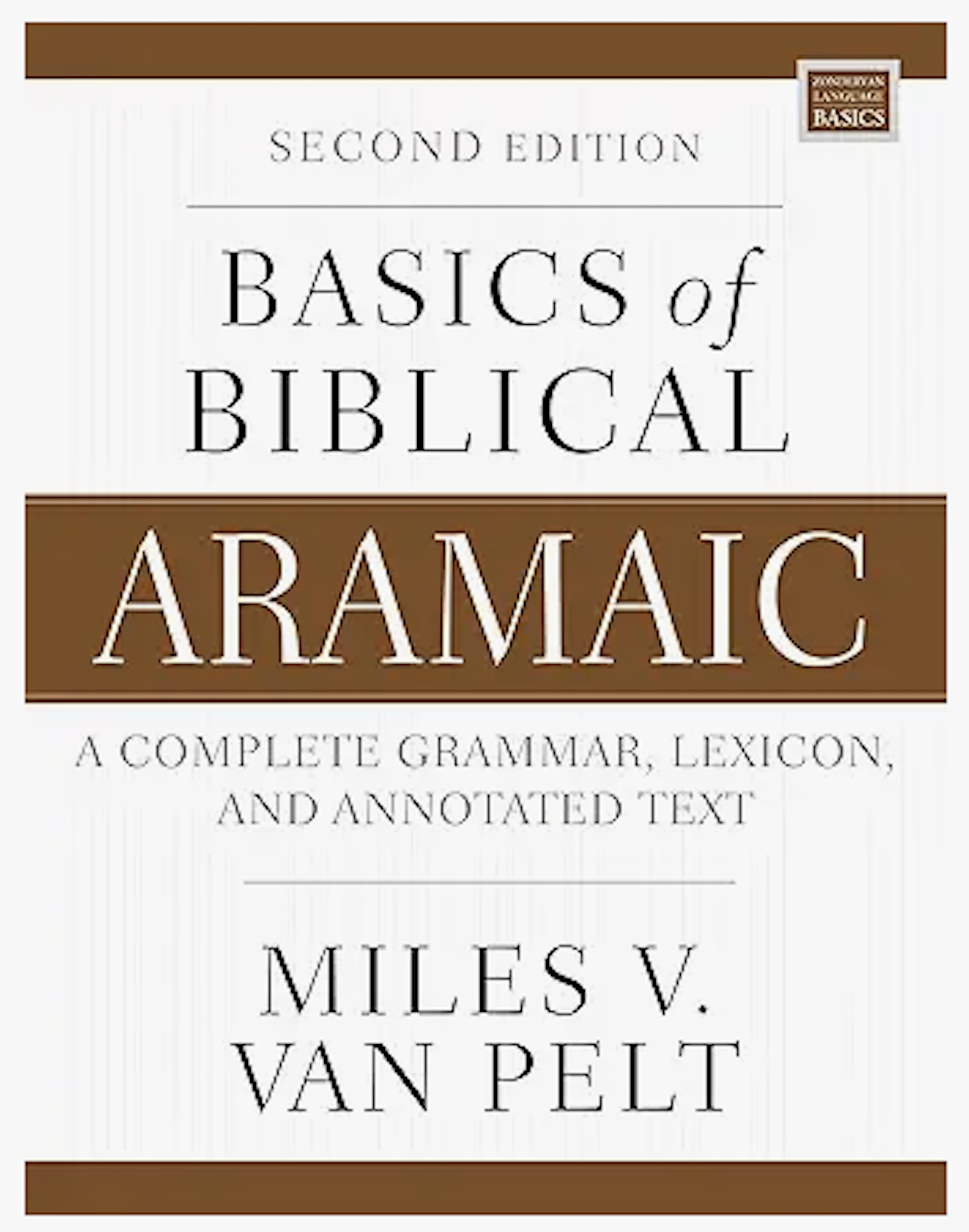
Aramaic is the language of Daniel, Ezra, and portions of Jesus' own words. This grammar builds on your Hebrew foundation to unlock the Aramaic sections of Scripture that most Christians never read in the original.
Once you've mastered the basics, you'll move into advanced grammar and exegesis. These textbooks take you deeper into syntax, idioms, and the nuances that only appear in the original languages.
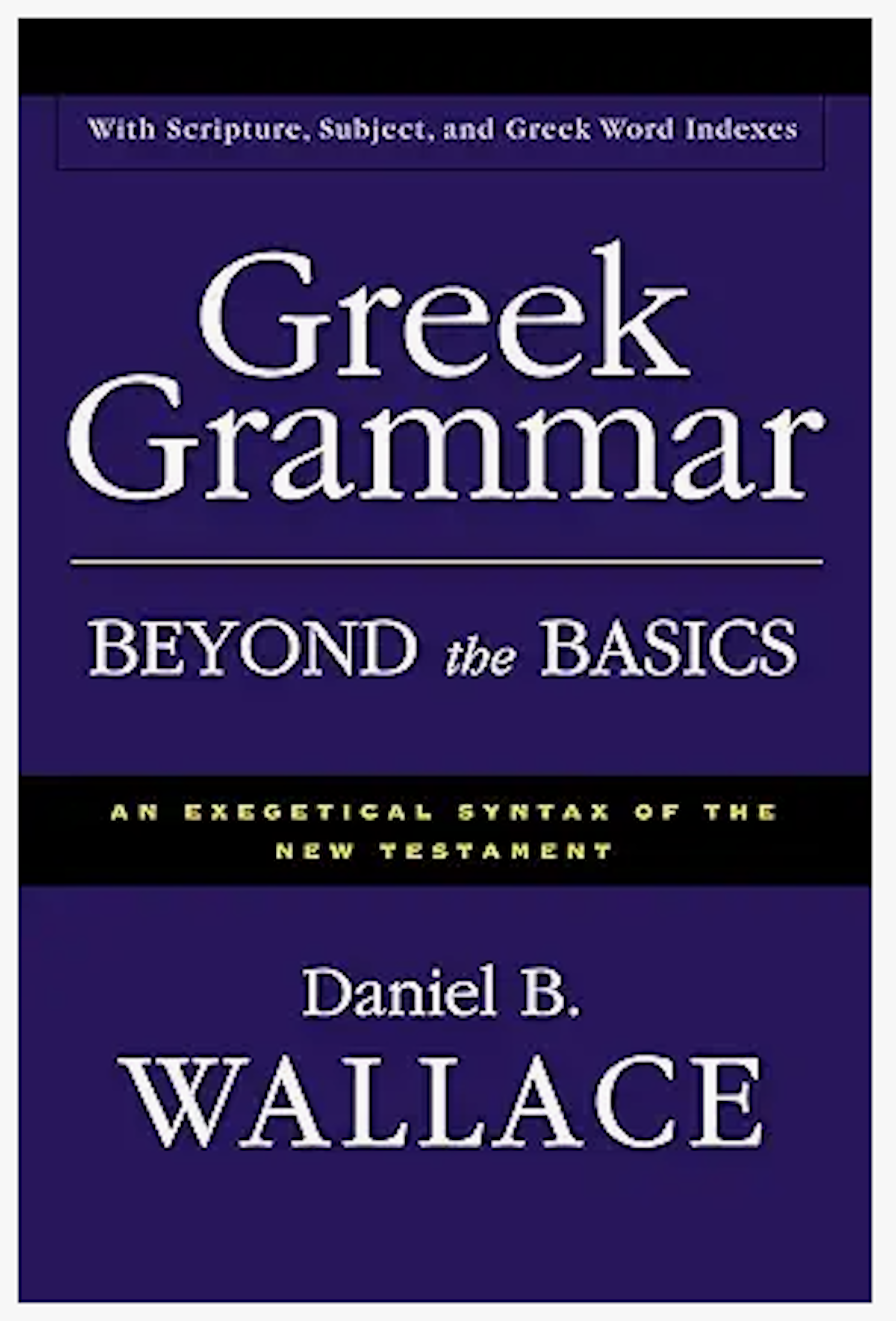
This is the advanced Greek syntax textbook used in doctoral programs. Once you've mastered Mounce, Wallace takes you into the deep end: discourse analysis, semantic ranges, exegetical syntax. Now you're reading Paul like a scholar.
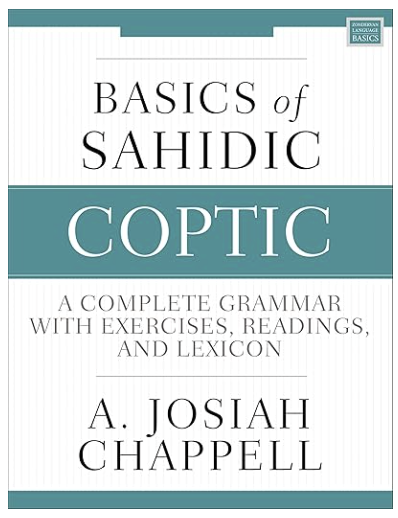
For students interested in early Egyptian Christianity and textual criticism. Sahidic Coptic preserves some of the oldest New Testament manuscripts and gives insight into how the early church read Scripture.
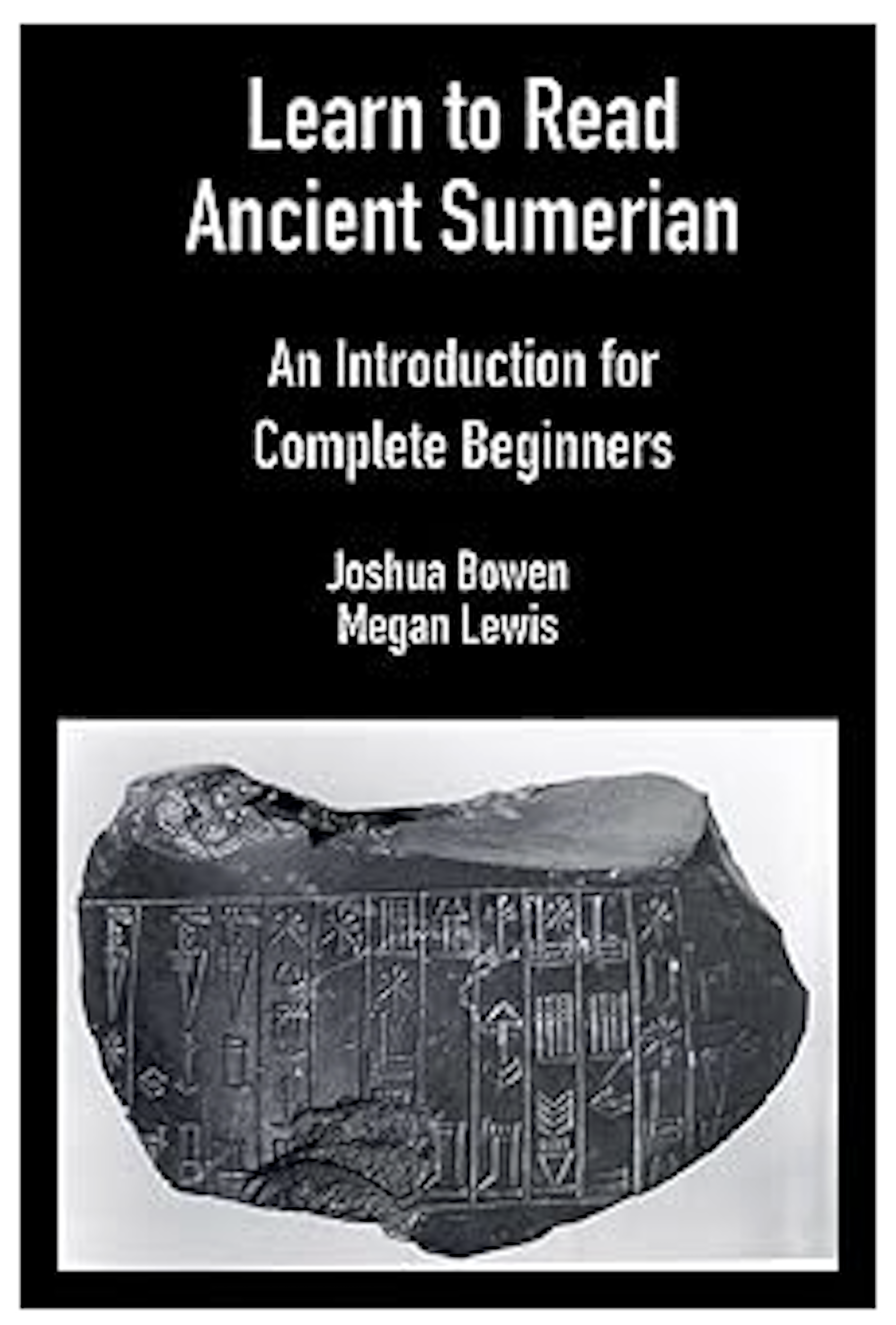
Sumerian is the world's oldest written language and provides crucial context for understanding the Ancient Near Eastern world of the Old Testament. Perfect for students pursuing advanced biblical studies or archaeology.
Proven Track Record: These are the same grammars used at Wheaton College, Dallas Theological Seminary, Gordon-Conwell, Trinity Evangelical, and other top institutions.
Academic Rigor: We don't use simplified "Bible study" books. We use seminary-level grammars because we're training missionaries who will need to translate, teach, and defend the faith in the field.
Comprehensive Coverage: These textbooks don't just teach you to translate — they teach you to think in Hebrew and Greek. Grammar, syntax, vocabulary, parsing, idioms, discourse analysis.
Lifetime Resource: These books stay on your shelf for life. Long after you graduate, you'll return to Pratico-Van Pelt and Mounce and Wallace when you're preparing sermons, translating Scripture, or checking a theological claim.
By the end of Year 1, you will:
By the end of Year 3, you will:
If you're willing to do the hard work...
If you want to read Scripture as it was written...
If you're ready to be equipped for the mission field...
Welcome to the Missionary Training Institute.
"Languages first. Context always. Truth above tradition."
— The Berean Standard